

Stop Predicting and Start Reacting: Get Better at Reactive Tracking

Tracking a moving target sounds straightforward until it isn’t. The moment a player figures out you’re tracking predictively, you’ve handed them a weapon. They don’t need to outaim you. They just need to break your pattern once, at the right moment, and you’re scrambling to recover. Reactive tracking takes that away from them.
Reactive tracking means staying locked to where the target actually is, responding to each directional change as it happens rather than guessing ahead of it. Yes, there’s a small delay built into pure reactivity. You will always be slightly behind the very first frame of a direction change. But the trade-off is that you can’t be juked. A player who changes direction to throw off your prediction finds that your crosshair just follows them anyway. Do that consistently enough and the dynamic starts to shift. Players who rely on evasive movement to create space or throw off aim begin to feel the pressure when that movement isn’t working.
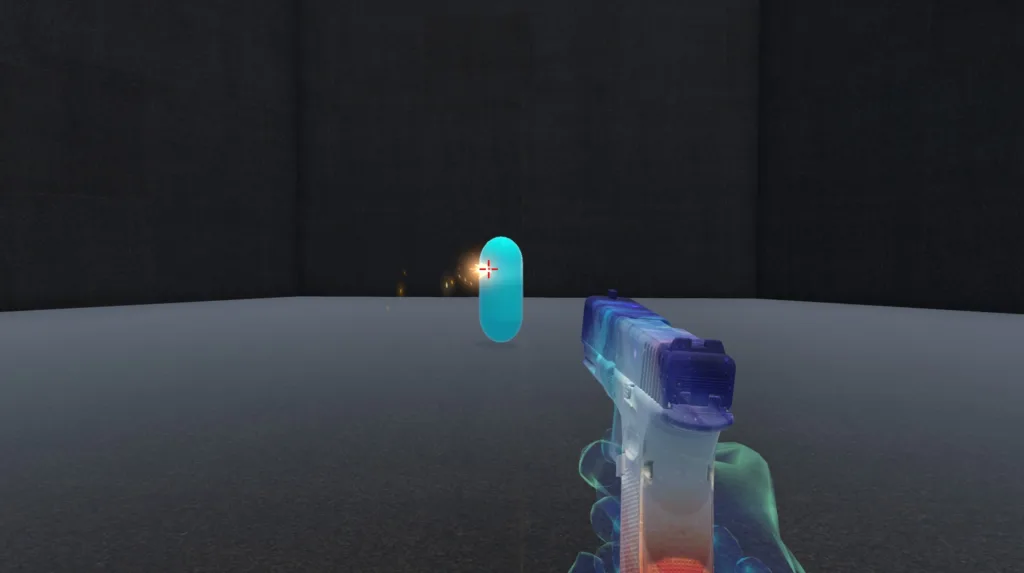
The games where this matters most are exactly the ones that reward evasive movement the heaviest. In Apex Legends, the advanced movement system means you’re constantly dealing with targets who are sliding, wall bouncing, and using abilities to make themselves harder to track. Octane’s stim, Pathfinder‘s grapple, Horizon‘s gravity lift, all of these create moments where a predictive tracker loses the target entirely and a reactive tracker just adjusts and holds on.
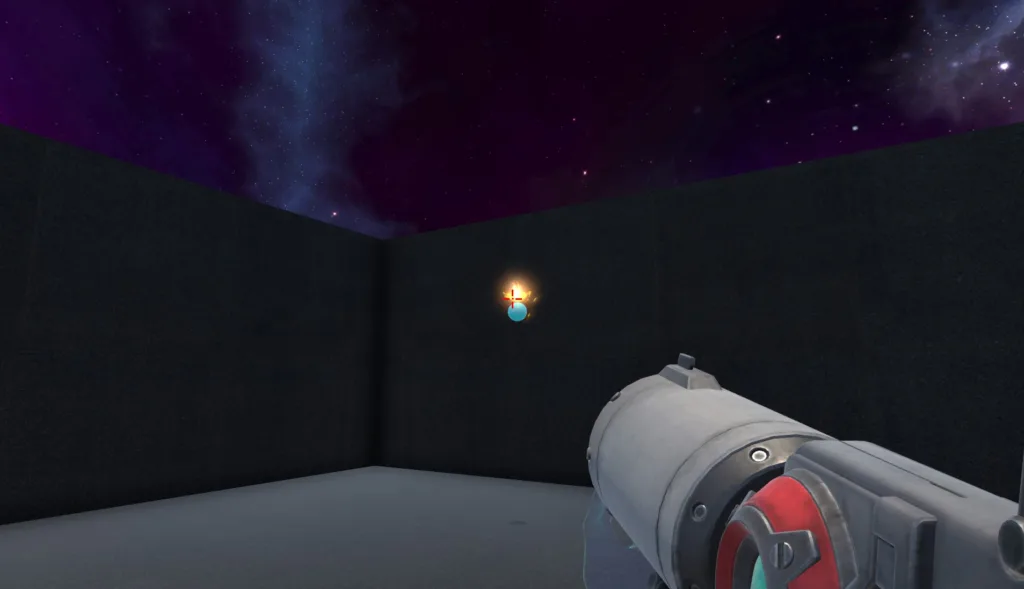
In Overwatch and Marvel Rivals, hero abilities introduce movement wildcards that are genuinely difficult to read in advance. Tracer’s blink, Genji‘s dash, Mercy‘s flight patterns, these are not consistent or predictable enough to track with anticipation alone. And in Deadlock, where the roster includes heroes like Apollo with his multi-phase dash and Mina with her blink, players who have mastered their movement kit are specifically leaning on your inability to react fast enough. Reactive tracking is what closes that gap.
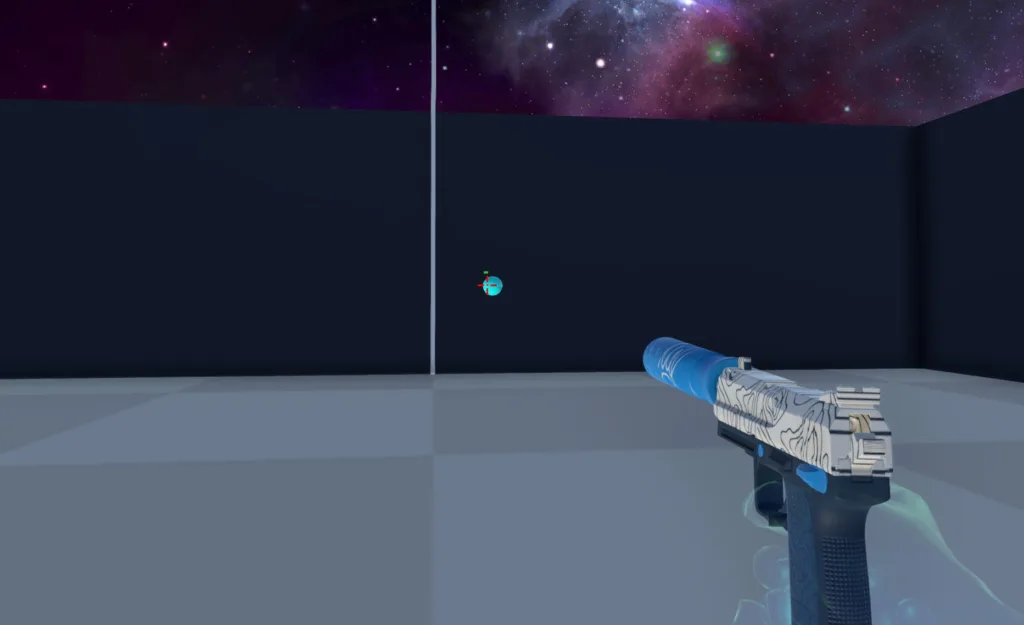
Training pure reactivity means resisting the urge to get ahead of the target during your sessions. When you feel yourself anticipating, you’re no longer training reactivity, you’re training prediction, which is a different and more limited skill in this context. The goal is to keep your crosshair on the target as it actually moves, accepting the small lag of reaction time as the cost of staying honest. Over time that lag shrinks, your corrections get faster and smaller, and targets that used to shake you start finding that you’re just there, wherever they go.
Ready to put reactive tracking into practice? Here are 5 tasks that are a great place to start. These are going to put you through your reactive paces, providing a great training ground to step up your reactivity.
Play Tracking Close X axis