
Train Your Core Fundamentals with the Aimlabs Aim Basics Routine

While all of the Aim Basics Routines focus on developing the fundamentals for their respective game, lowgravity56 has done it again, putting together a game-agnostic routine, to give you the core training that you’ll need across the board. This playlist goes broader, covering the three main categories, Flicking, Target Switching, and Tracking, with subcategories covered as well.
This routine will be a great starting point if you’re just breaking into aim training, and if you’re an experienced aimer, it’s a solid, well-rounded warm-up or tune-up playlist that you can work into your training process. Just like the other Aim Basics Routines, the playlist rounds out at roughly 24 minutes, which should take about half an hour when you account for a bit of downtime between plays.
Click Here to Start the Aimlabs Aim Basics Routine in Aimlabs!
Flicking
Aimlabs Flicking – This is an introductory aim training task that features two distinct flicking phases. The first phase features large, static targets, while the second has several similarly sized moving targets. It’s a fun scenario that combines the most common types of flicking, with an emphasis on speed given the target’s size. This one is positioned at the top of the routine as it’s a great warm-up for the next few tasks.
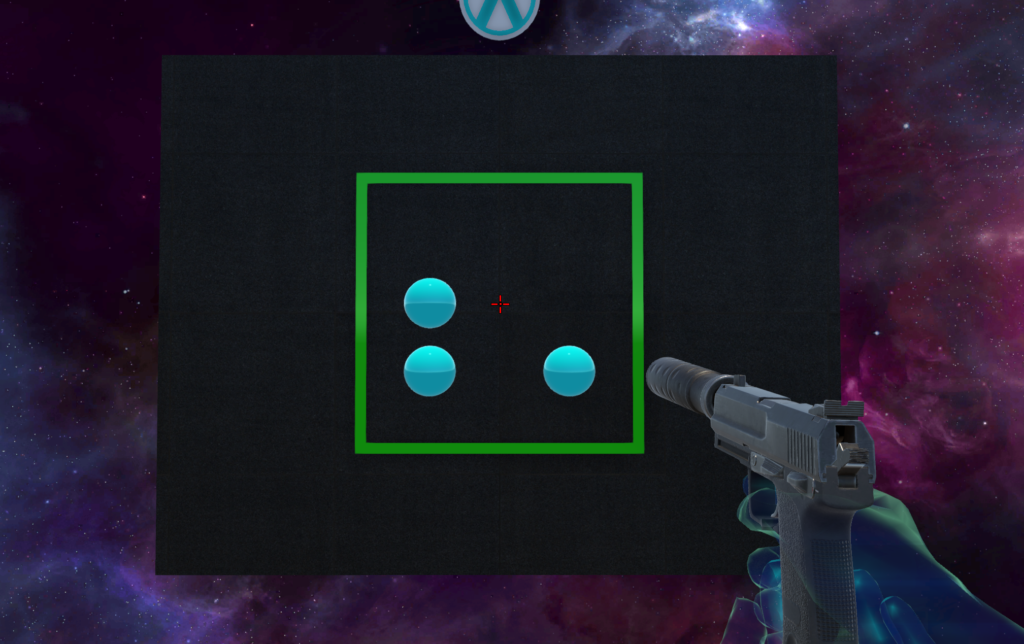
Twoshot Entry ADS – The second task in the Flicking section is a Static scenario which features two medium-sized targets on a medium-sized flat wall. This is a great fundamental scenario to learn the basics of flicking at varying distances.
Angleshot Entry ADS – Rounding out the Flicking portion, this dynamic flicking task features several evasive targets in a small play area. It combines the flicking fundamentals from the previous scenario with the addition of target movement, promoting learning to read targets and actively correct if they change direction after the initial flick.
Target Switching
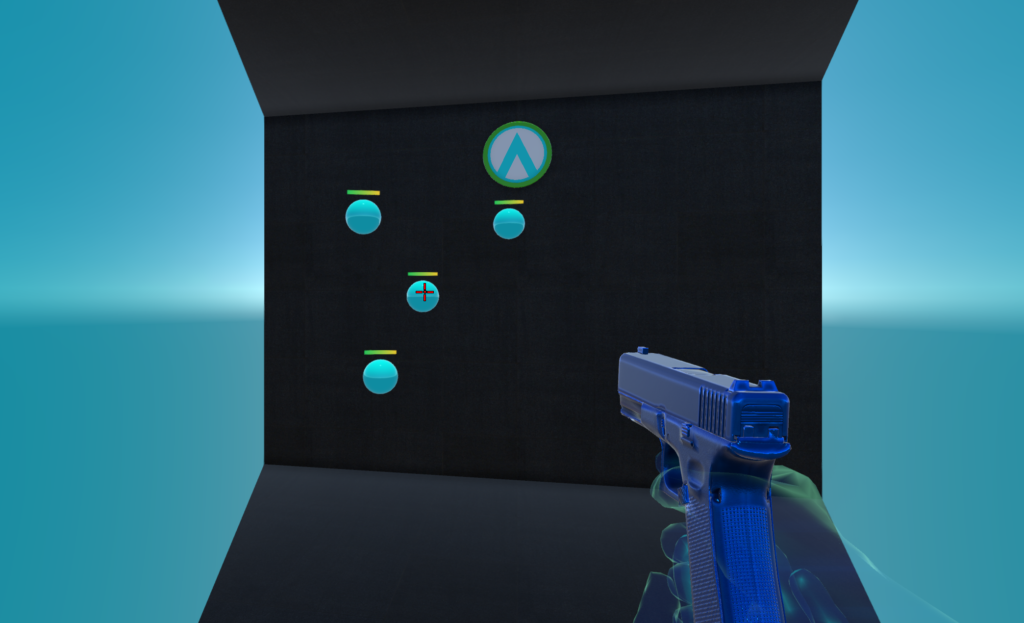
Aimlabs Switching – The opening task from this section features two target switching phases. The first features four large static targets, while the second has six strafing targets that move in front of the player. Similar to Aimlabs Flicking, it is a fun scenario that combines the most common types of target switching, with an emphasis on speed due to the target size.
Skyswitch Entry ADS – This speed target switching scenario features four targets that make long strafes across a wide map in front of the player. The targets won’t change direction until they collide with the side walls. The map features limited verticality, which helps players focus primarily on the speed of their flicks, while the targets’ relatively low health makes the tracking aspect of target switching less important.
Controlswitch Apex – The final switching scenario features targets that fly evasively around the player. It’s even more tracking-oriented due to the targets’ more erratic, yet readable, movement patterns. This one uses health regeneration, meaning you will need to fully eliminate a target before switching to the next.
Tracking
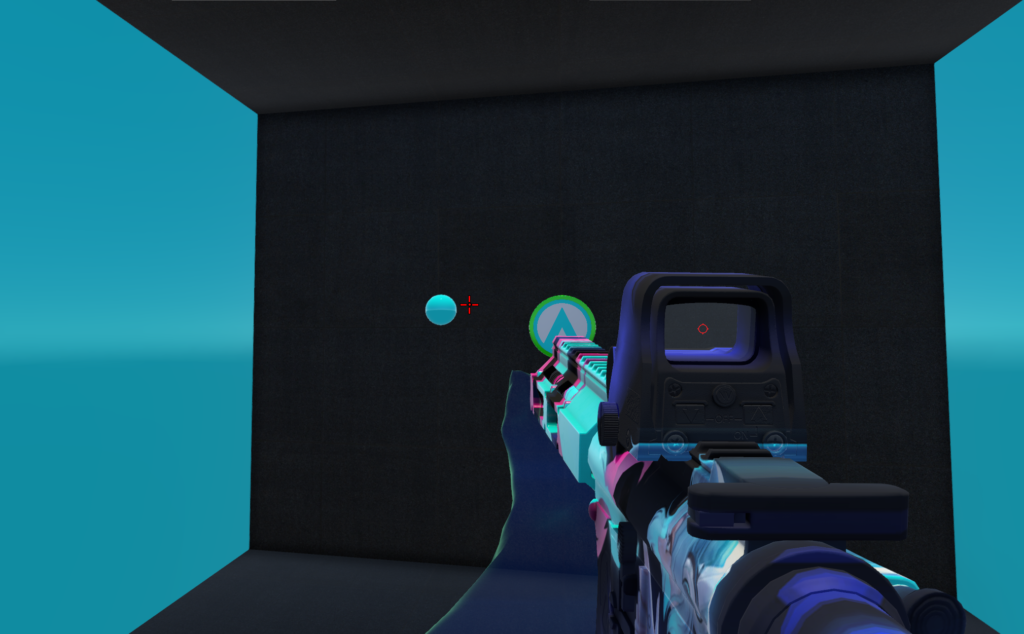
Aimlabs Tracking – The last section of the routine starts with this tracking task, which features two separate tracking phases. The first phase features a gently flying target, while the second phase’s target strafes and moves in front of the player. This task is similar to the intro scenarios in the other sections, as it’s focused on being fun while combining the most common types of tracking, with an emphasis on speed given the target size.
Flytrack OW – This precise tracking scenario features a pill-shaped target that performs long strafes while it flies in front of the player. The task helps develop target reading and track stability. Focus on smoothly following the target and avoid changing direction until the target itself does.
MFSI Entry ADS – The final task of the routine is a reactive tracking scenario, which features a medium-sized pill-shaped target that strafes at a fixed distance around the player. While smoothness is still a big factor in reactive tracking, the most important thing in this type of task is to avoid predicting the target’s movement. Instead, you want to focus on matching what the target is actively doing and reacting to changes in direction rather than trying to predict them.
Click Here to Start the Aimlabs Aim Basics Routine in Aimlabs!